Holiday Season, Not Flare Season
How to Prevent Pelvic Floor Flare-Ups During the Busiest (and Most Stressful) Month of the Year
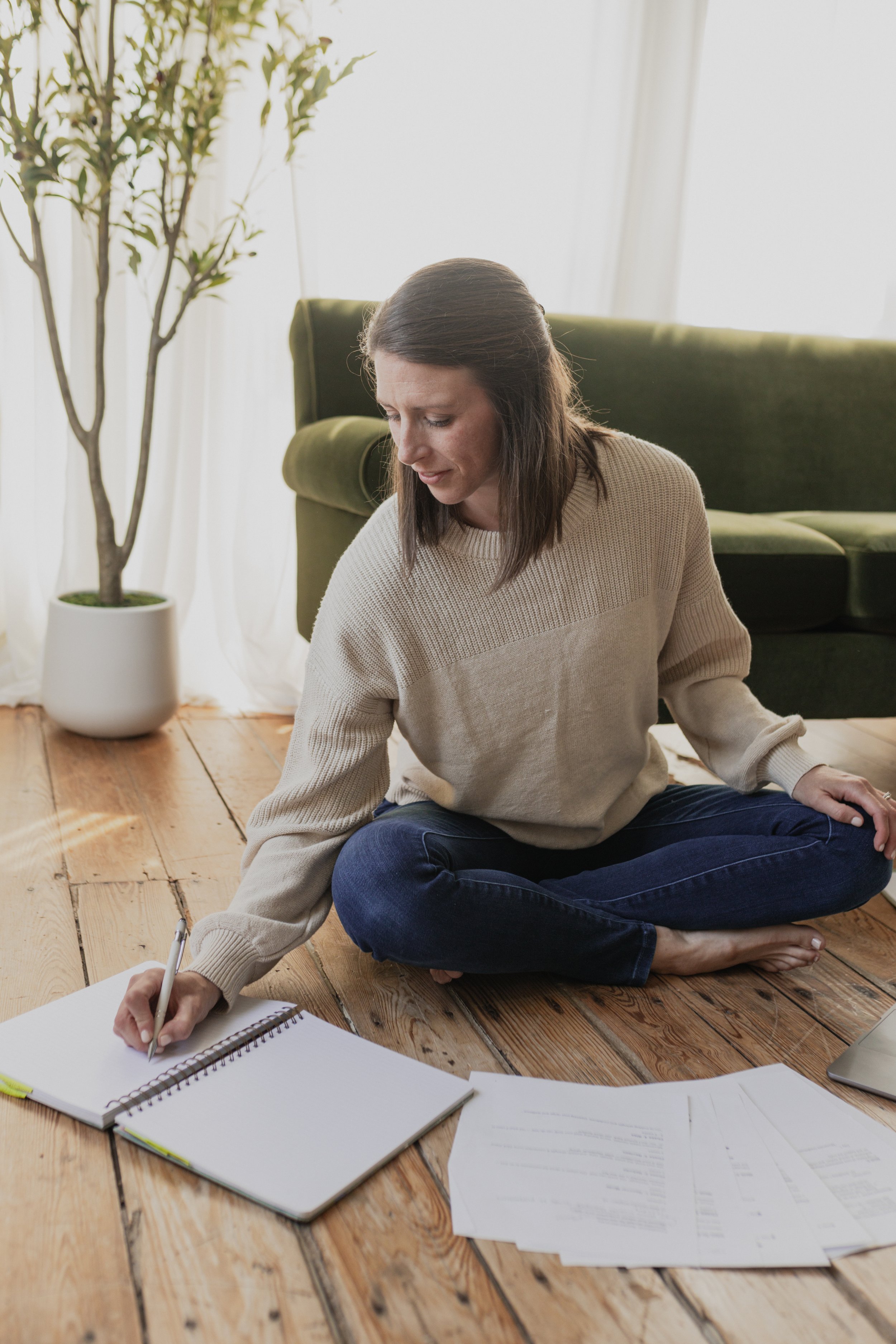
December is magical—but it’s also loud, busy, and full of irregular routines that can leave your pelvic floor feeling tense, overworked, or downright flared. Between travel, hosting, colder weather, long to-do lists, and emotional load, it’s no wonder so many people notice an increase in pelvic pain, leaking, urgency, or heaviness this time of year.
This guide helps you move through the season with more comfort, fewer flare-ups, and a pelvic floor that feels supported—not stressed.
Holiday season brings together a perfect storm:
1. Stress = Tension
The pelvic floor is part of your stress response system.
More stress → more guarding and clenching → more symptoms.
2. Travel & Sitting
Hours in the car or on a plane can stiffen hips, low back, and pelvic floor muscles.
3. Irregular Routines
Hydration, sleep, meal timing, and bathroom habits all shift—and your pelvic floor notices.
4. Heavy Lifting
Suitcases, gifts, groceries, kids in snow gear… it adds up.
5. Cold Weather Tightening
Muscles naturally contract more in the cold, especially deep stabilizers like the pelvic floor.
Understanding the “why” can help you be gentler with yourself as you navigate the season.
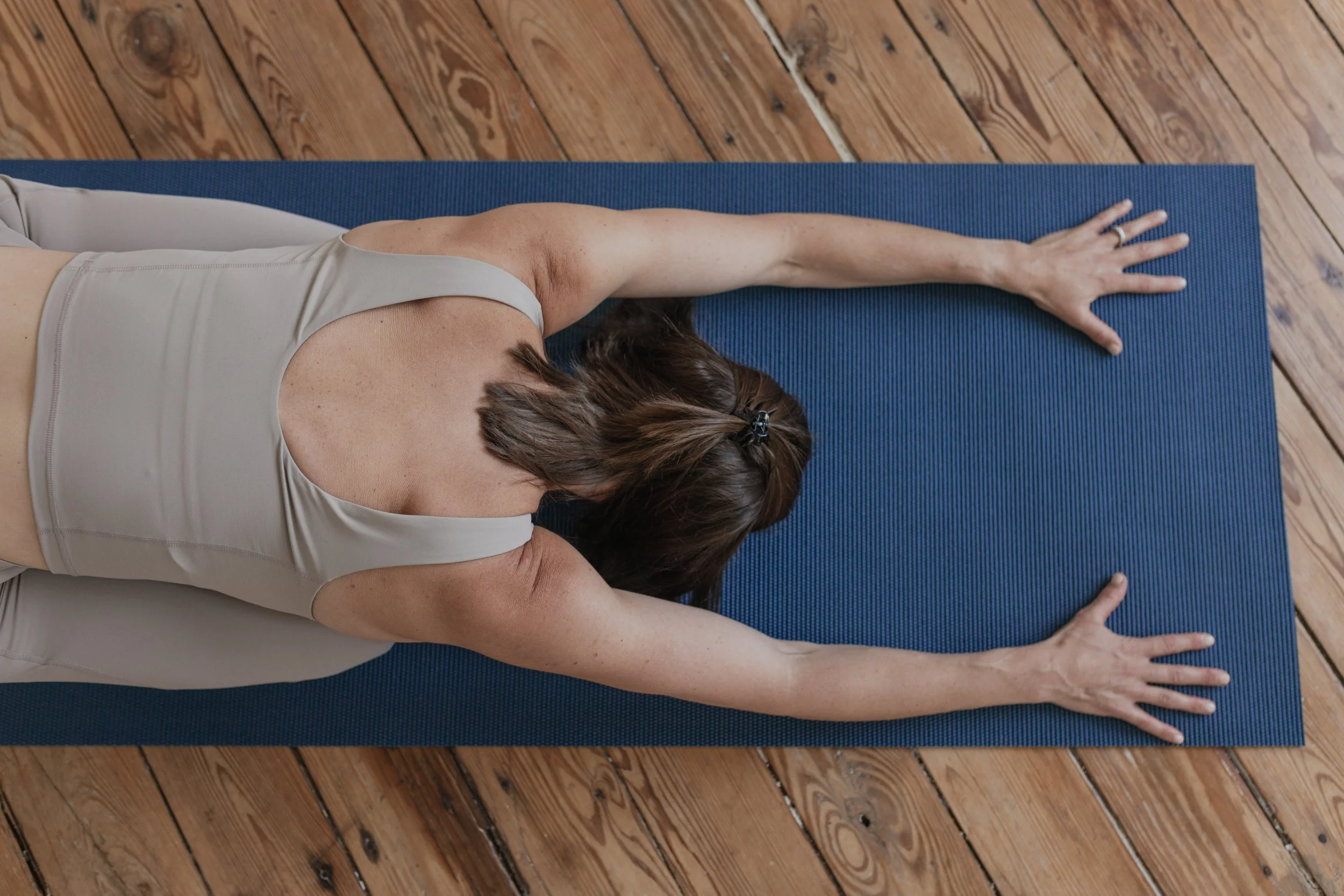
1. Build Micro-Moments of Nervous System Calm
Even 30–60 seconds counts.
Try:
One slow inhale for 4, long exhale for 6–8
Release your jaw and unclench your glutes
Drop your shoulders and soften your belly
Take 10 breaths into your rib cage
These tiny resets shift your pelvic floor from “guarding” to “letting go.”
2. Keep Hydration Steady (Even When It’s Cold)
People drink far less water in December. Dehydration = constipation, urgency, and irritation.
Quick hacks:
Warm herbal teas or warm lemon water
Keep a water bottle in the car or diaper bag
Pair water with routines (every time you get in the car, every time you walk by a certain spot in the house, etc.)
Your bladder, bowel, muscles and digestive system in general will thank you.
3. Support Your Body With Movement/Mobility
Every 60–90 minutes try one of these:
Roll your ankles
Do x5-10 sit to stands from a chair or couch to get the blood moving.
Movement/mobility improves circulation, reduces tension, and keeps your pelvic floor from holding stress.
4. Lift Smarter, Not Harder
Whether it’s snow shoveling or toy-haul lifting:
Exhale on exertion
Keep items close to your body
Bend knees
Don’t hold your breath
These simple adjustments reduce pressure and prevent symptoms.
5. Keep Bathroom Habits Consistent
Holiday chaos can disrupt gut and bladder rhythms.
(Check out my free guide Bladder Basics!)
Try:
Not “just in case” peeing
Taking your time on the toilet
Using a stool (or kids’ step!) under your feet
Eating fiber-rich foods, especially when travel/party foods are unpredictable
6. Create One Boundary That Protects Your Body
Pick just one:
Say no to an event
Leave early
Shorten hosting expectations
Ask for help with kids, meals, or setup
Your pelvic floor mirrors your stress levels—supporting your nervous system is supporting your muscles.
A Gentle Reminder
You don’t need a perfect routine to prevent a flare.
You just need small pockets of support, sprinkled throughout the month.
This December, choose comfort. Protect your energy. Let your pelvic floor soften.
The season will feel better—and so will you.
If you’re struggling with pelvic pain you don’t have to navigate it alone. A pelvic floor physical therapist can help you understand what’s happening, heal comfortably, and restore confidence in your body.
Book your pelvic health assessment today
I offer 1 on 1 treatment in Columbus, Ohio
Schedule your free 15min phone consultation!
In health,
Emma Lengerich PT, DPT, OCS, CMTPT, PCES, Birth Doula Foundations PelvicPhysio, LLC Orthopedic & Pelvic Health Physical Therapist & Birth Doula Instagram: @emma_pelvichealth Subscribe to my newsletter: Click Here!