Posture: Does It Matter?
What Is Posture, Really?
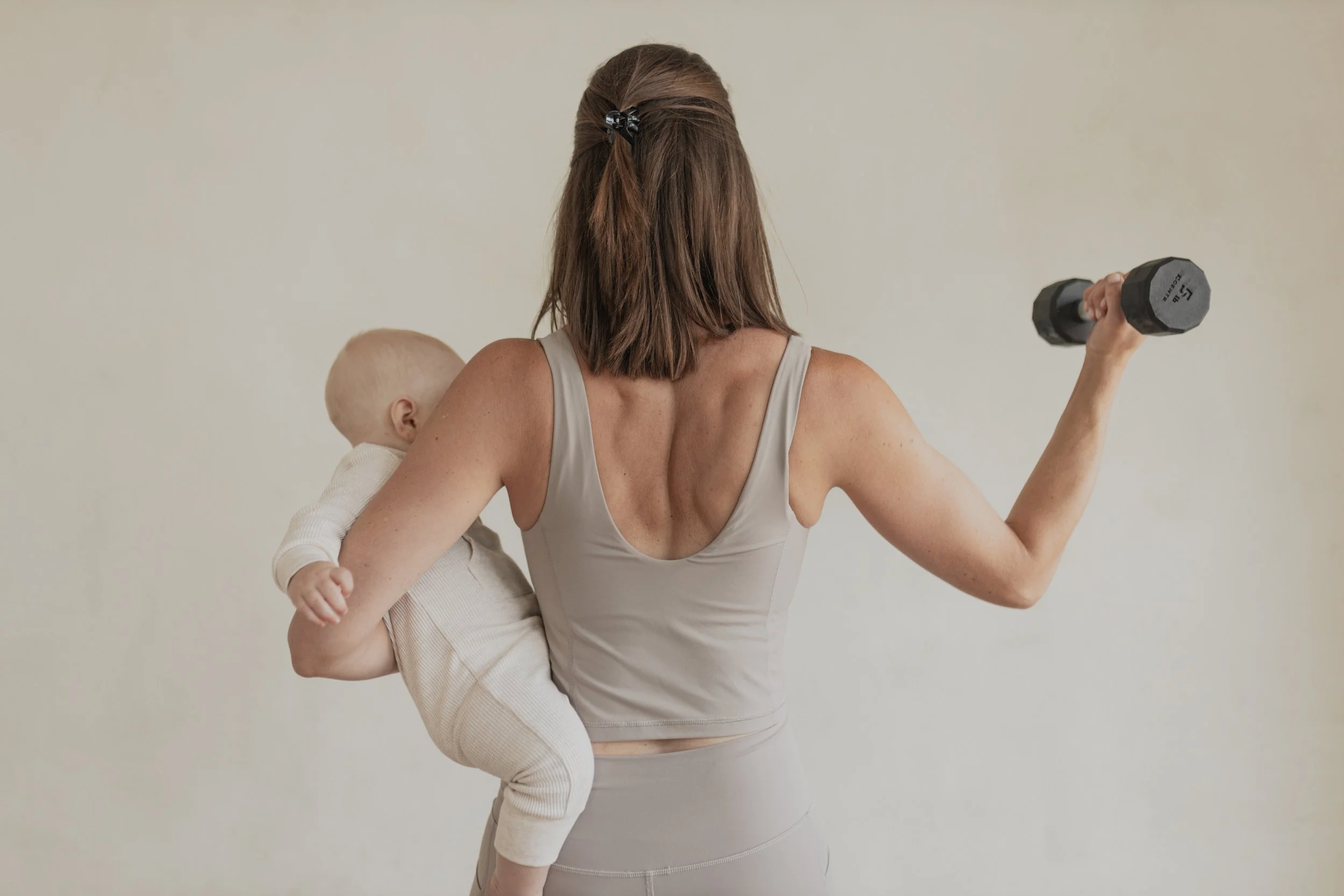
Posture refers to the alignment of your neck, spine, shoulders, and pelvis. It’s everywhere in physical therapy and on social media—but often misunderstood. I frequently see people overcorrecting or exaggerating their posture, thinking there’s a “perfect” way to sit or stand.
The truth is, there’s no one-size-fits-all posture. Your best posture isn’t about rigid rules like “shoulders back, stand up straight.” It’s about how your body feels, moves, and supports you throughout the day.
Your Best Posture Is Your Next Posture
Our bodies are built to move. No single posture is ideal if you stay in it all day—even if it looks perfect. Holding any position for too long creates postural load, eventually fatiguing the muscles involved.
Think about holding your arm out to the side. At first, it’s easy—but over time, without movement, it becomes stiff and achy. The same is true for posture. Staying still, even in a “good” posture, leads to discomfort.
The goal isn’t perfection—it’s adaptability. Postural flexibility, both physically and mentally, lets you move throughout the day, reduce discomfort, and allow your body to function more efficiently.
One shift I often guide patients through is moving from the question “Is my posture perfect?” to asking:
Can my body move through its full range of motion?
Do I have strength and stability within that range?
Am I aware of my gripping, holding, or bracing patterns?
Good posture isn’t about staying still—it’s about moving in and out of positions with ease, letting your body adapt to what your day requires.
Step 1: Build Awareness
Awareness is the first step. This doesn’t mean constantly correcting yourself or stressing about alignment. Think of it as checking in with an old friend: “Hey, how are you doing?”
If you’ve been sitting at your computer for an hour, try:
Reaching your arms overhead
Looking right and left
Gently rotating your torso
Standing up if possible
Step 2: Let Your Breath Guide You
Holding your posture too rigidly often locks your ribs, which can create tension all the way up to your neck and jaw, and down through your back, hips, and pelvic floor.
Try this: focus on expanding your lateral and posterior ribs as you breathe. Once you feel this movement, notice if it carries over when you’re seated or standing. Unlocking your ribs helps release general tension throughout your body. Check out this video on a great way to connect to rib expansion.
Step 3: Build Postural Endurance
What does this mean? Strength. Any posture is a load on your body. By building strength, you increase your body’s ability to tolerate that load.
Here are a few exercises to try:
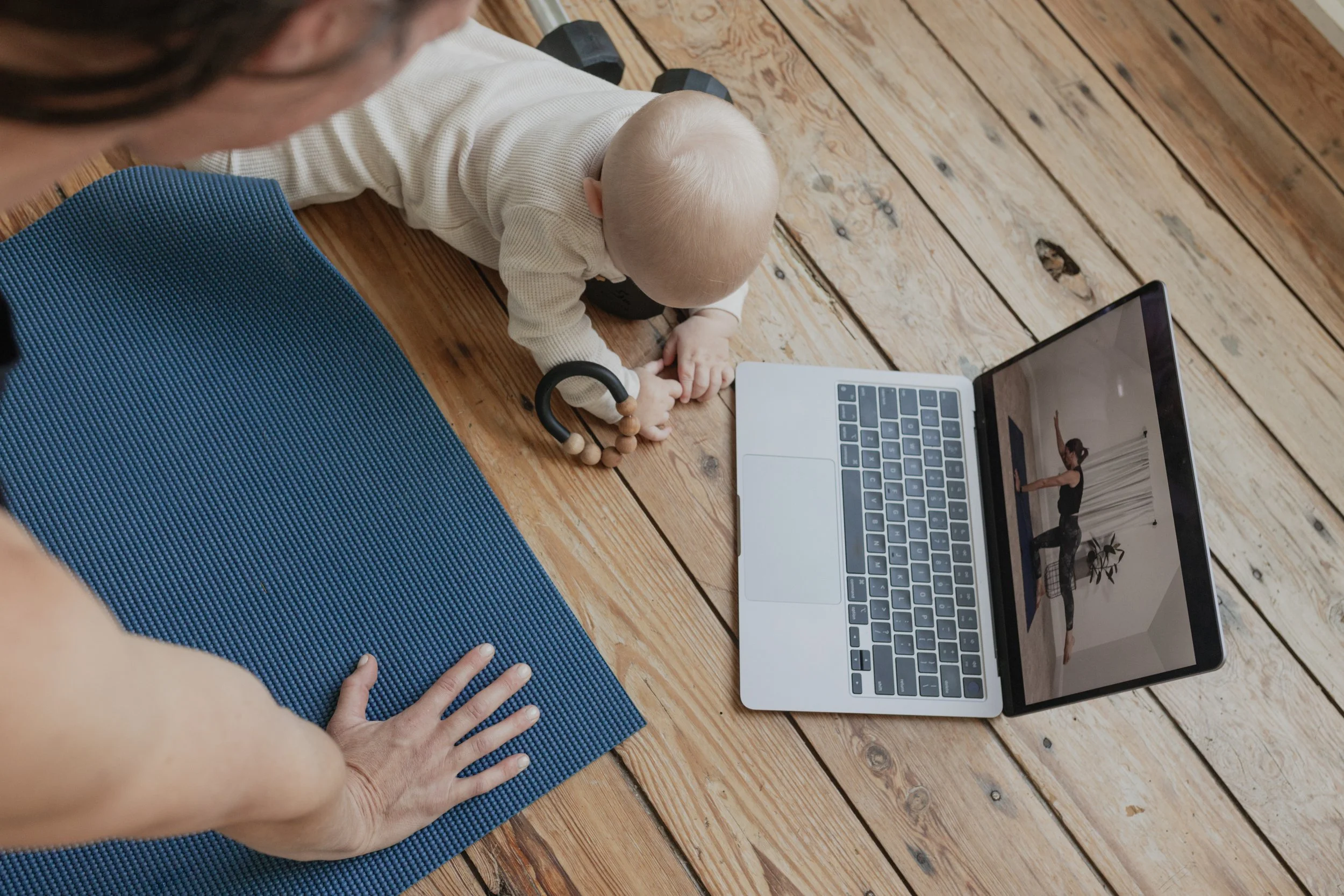
At the end of the day, posture isn’t about looking “perfect” or holding yourself rigidly. It’s about listening to your body, moving with awareness, and building strength and mobility to support whatever your day asks of you. Small shifts, mindful breathing, and consistent movement can make a bigger difference than hours of forcing yourself into an idealized pose. Remember—your best posture is always your next posture, and the more you practice adaptability, the more comfortable and resilient your body will become.
Ready to build your FOUNDATION?
I offer 1 on 1 pelvic health therapy in Columbus, Ohio
Schedule your free 15min phone consultation!
In health,
Emma Lengerich PT, DPT, OCS, CMTPT, PCES, Birth Doula Foundations PelvicPhysio, LLC Orthopedic & Pelvic Health Physical Therapist & Birth Doula Instagram: @emma_pelvichealth Subscribe to my newsletter: Click Here!
Photography by: Morgan Whitney Photography